Wood & Bamboo
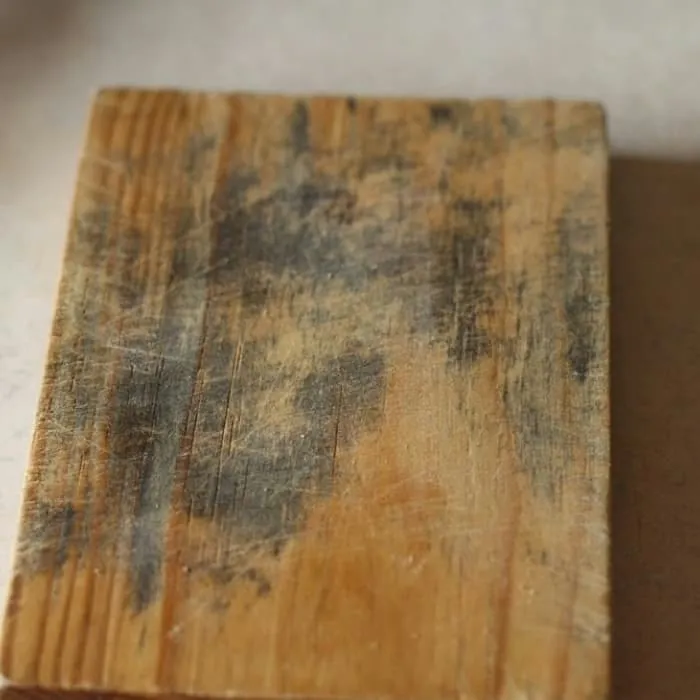
Wood can develop grooves and requires proper washing and drying. Depending on the board, moisture and maintenance may become ongoing concerns.
Tired of worn-out cutting boards, lingering odors and surfaces that are hard to maintain? Discover a sleek alternative built for everyday food prep.
Product details, pricing and any available promotion are confirmed on the seller's page.
Different materials bring different trade-offs. Here's what many home cooks consider when replacing an old cutting board.
Wood can develop grooves and requires proper washing and drying. Depending on the board, moisture and maintenance may become ongoing concerns.
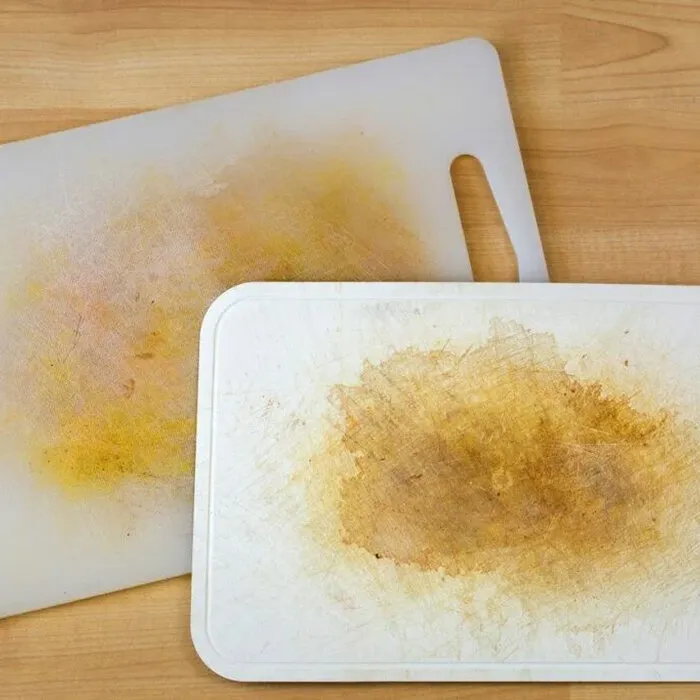
Repeated knife contact can leave visible cuts and wear. Deeply scored surfaces may be harder to clean thoroughly and eventually need replacement.
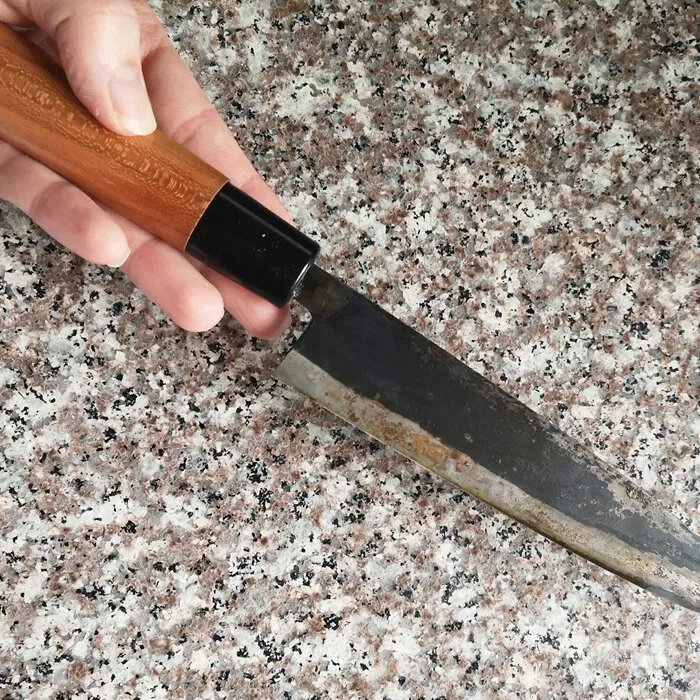
Very hard cutting surfaces can be less forgiving on knife edges. Choosing the right material means balancing care, durability and cutting feel.
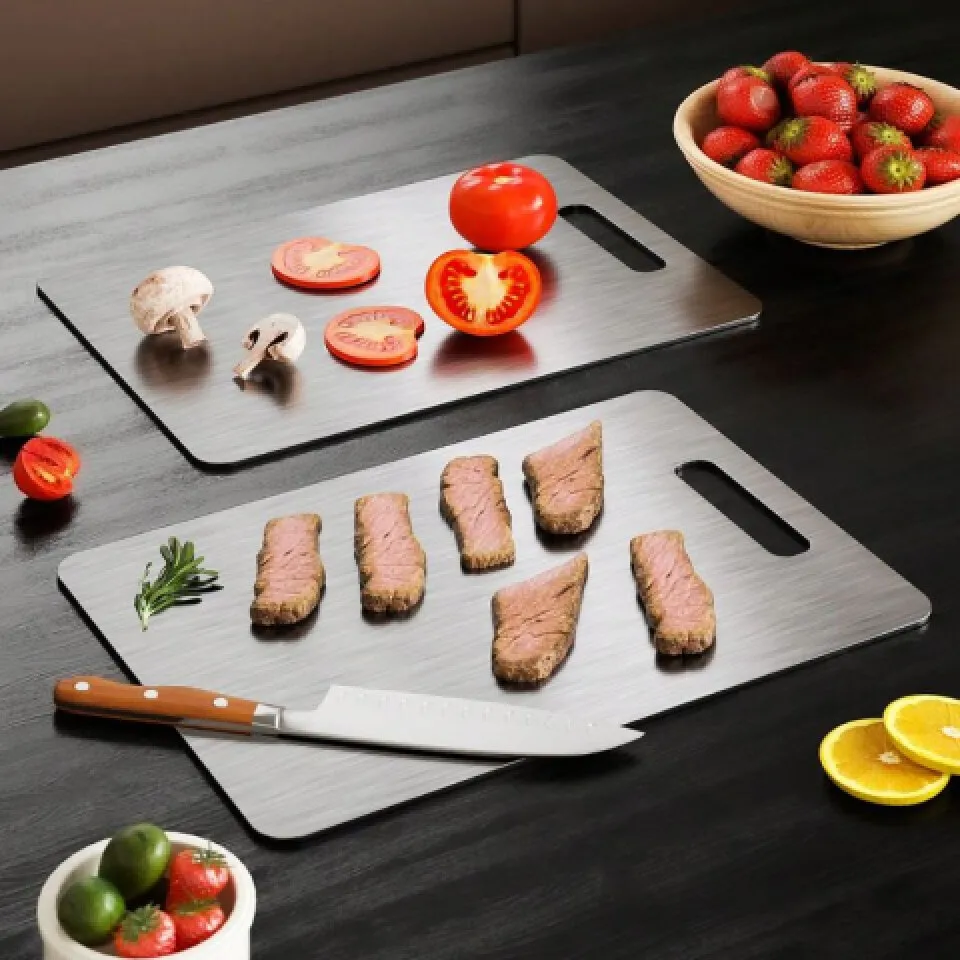
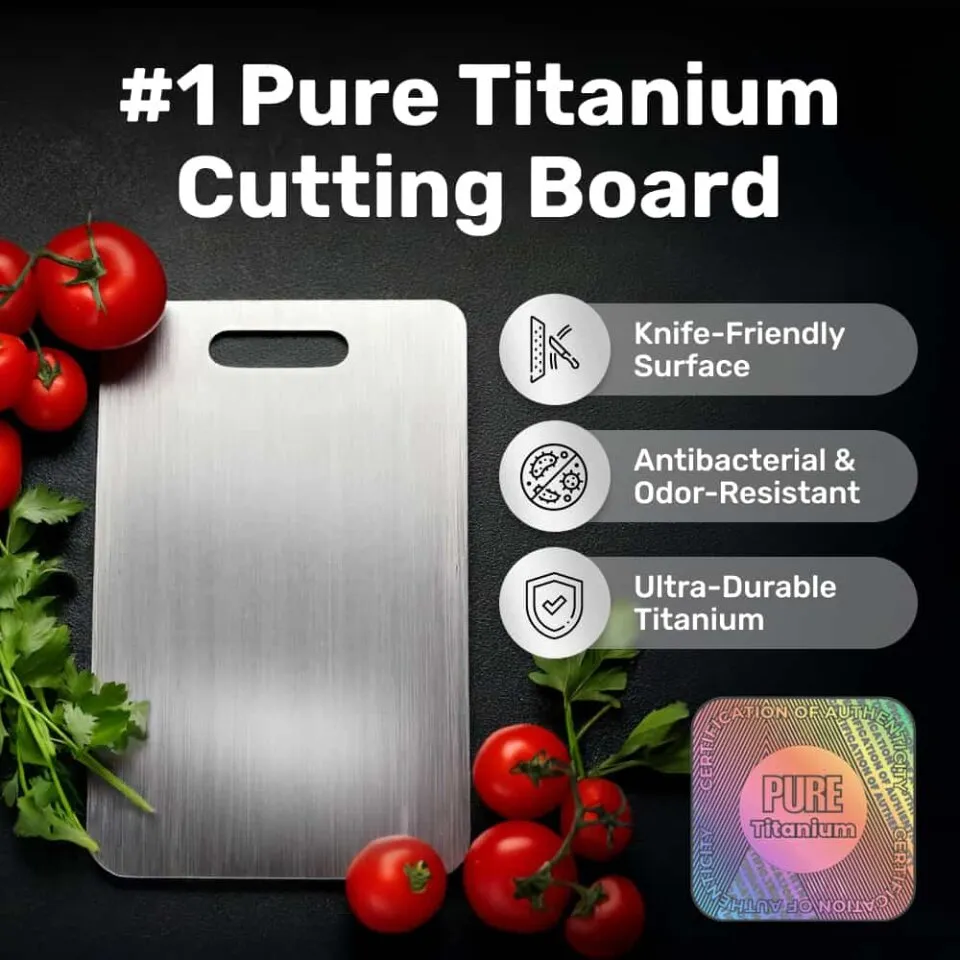
Katori brings a sleek metallic cutting surface into the kitchen, offering an alternative to common wood and plastic boards.
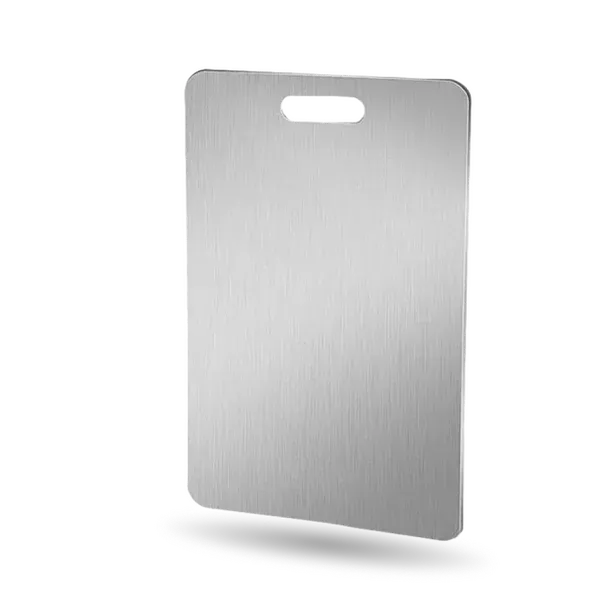
Unlike absorbent materials, a non-porous titanium surface does not soak up liquids in the same way. That makes it an appealing option for cooks who value straightforward cleaning and a minimalist kitchen setup.
It also brings a clean, contemporary look to your countertop—without relying on a plastic cutting face.
EXPLORE KATORI →
From fresh vegetables to quick meal prep, a sturdy board makes a practical addition to a busy kitchen. Katori is designed to fit into your everyday routine with a smooth, easy-care surface.
As with any cutting board, follow proper food-safety practices and wash it thoroughly between raw meat and ready-to-eat ingredients.
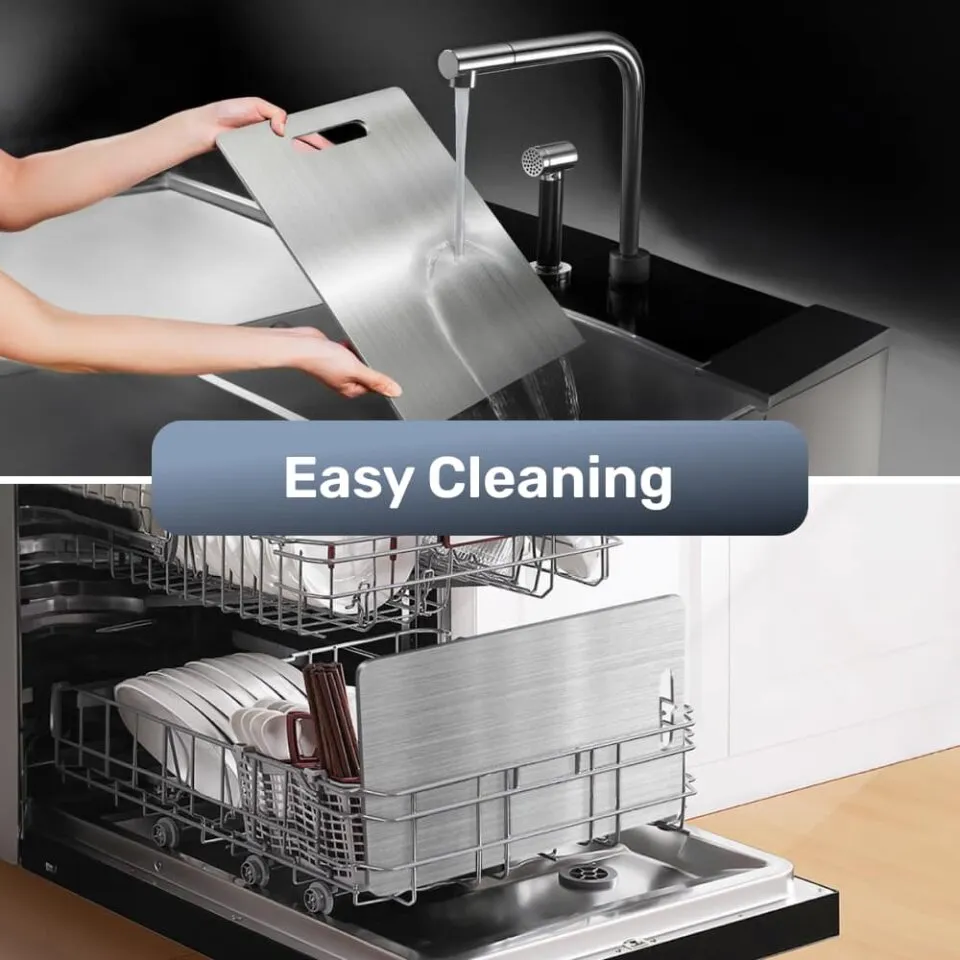
A smooth, non-porous cutting surface is straightforward to wash after cooking. Clean with dish soap and water, rinse thoroughly and dry according to the seller's care instructions.
Kitchen tools should make cooking easier—not add unnecessary complexity to your routine.
A cutting board is one of the most-used tools in your home. These are the practical details worth considering before you upgrade.
Doesn't absorb moisture like unfinished wood can.
A clean metallic finish for contemporary kitchens.
Designed for washing after daily food prep.
A durable alternative to disposable kitchen accessories.
Materials differ in how they handle moisture, maintenance and wear. Here is a simple overview of common characteristics.
| Feature | Katori Titanium | Wood / Bamboo | Plastic |
|---|---|---|---|
| Non-porous cutting surface | Yes | Generally no | Yes* |
| Plastic cutting face | No | No | Yes |
| Visible knife marks possible | Varies with use | Yes | Yes |
| Wash after each use | Required | Required | Required |
*Plastic is typically non-porous when intact, but knife grooves and wear can affect cleaning. Knife-edge wear and scratch resistance depend on the specific materials and use.
Its metallic, non-porous cutting surface offers a different feel and care routine compared with wood or plastic. Review the manufacturer's specifications for construction details.
Wash thoroughly with dish soap and water after use, and follow the manufacturer's care instructions. Always prevent cross-contamination when handling raw foods.
Knife wear depends on blade steel, cutting technique and surface hardness. No cutting surface can guarantee that knives will never dull.
Use any of the buttons on this page to visit the seller's offer and see the latest product details, prices, shipping terms and any applicable guarantee.
Explore the available options, see full product specifications and check the latest offer directly on the seller's page.
CHECK TODAY'S KATORI OFFER →Availability, price, discounts and guarantee terms are set by the seller and may change.